
Best Time to Visit British Seaside Towns for Fewer Crowds
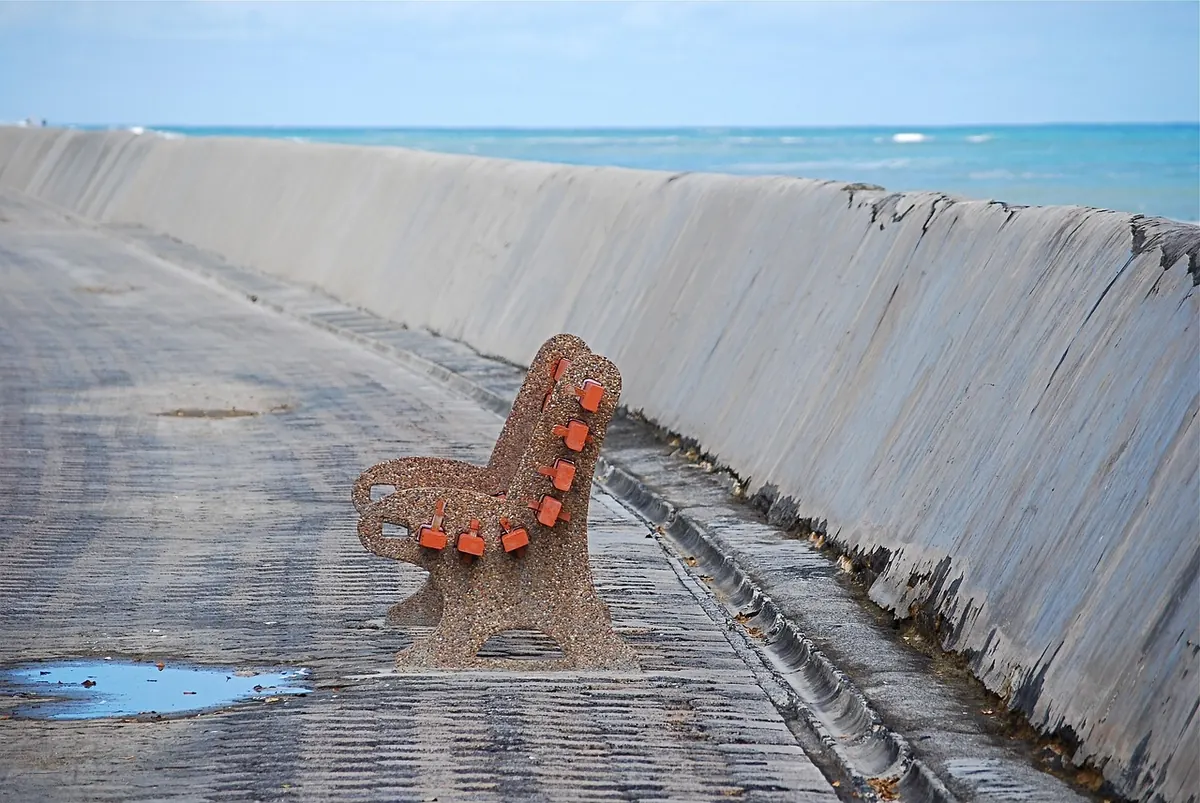
Pick the right week and a British seaside town can feel almost private. Empty sand, a free table outside the harbour cafe, and a promenade where the only traffic is a dog with a tennis ball. Pick the wrong one and you will queue for an ice cream behind four hundred people who had exactly the same idea. The difference is rarely luck. It comes down to the school calendar, the weather, and whatever local event happens to be on that weekend.
How the seaside calendar actually works
Peak season at the coast is less about temperature than about the school gates. English and Welsh summer holidays run from roughly the last week of July to the first days of September, and that stretch is the busiest most resorts see all year. Scotland breaks up in late June, which is why a Scottish coastal town can feel rammed while Cornwall is still half-empty.
Bank holidays matter just as much. The early May, spring and August bank holidays fill car parks by mid-morning. So does any sunny Saturday within a couple of hours of a big city. And a single regatta, food festival or air show can double a town's population for a weekend.
Spring: March to May
March and early April
March belongs to walkers and dog owners. Smaller resorts often keep winter hours, and some cafes shut altogether until Easter, so check before you travel. In return you get an almost empty coastline, bracing air and very cheap rooms.
Late April and May
This is the sweet spot of the first half of the year. Days are long enough for an evening cliff walk, wildflowers are out on the coast paths, and the light is superb. Two things to dodge: the early May and spring bank holidays, and the late-May half-term week in England and Wales. A grey Tuesday in May is quieter than any Saturday in July.
Summer: June to August
June and early July
For warm weather with manageable crowds, this is the best window of the year. English schools are still in, so midweek is calm, and at eight in the evening you can still be eating chips on a harbour wall in daylight. Heading to Scotland? Reverse the logic: Scottish schools finish in late June, so aim for early June instead.
Late July and August
Accept that this is peak and plan around it. Book months ahead, reach the car park before 10am, and eat either side of the rush — 11.45 or after 2pm. The August bank holiday weekend is the busiest of the lot. If you are tied to it, choose a smaller resort with a long beach rather than a famous one with a short one. Note that in Scotland the August bank holiday falls on the first Monday, not the last.
Autumn: September to November
September
Arguably the best month of the year at the coast. The sea has had all summer to warm up, the crowds vanish after the first week, and the light turns golden. Accommodation prices soften noticeably from mid-September.
October and half-term
Early October is quiet and often mild. Then half-term arrives, usually the last week of the month, and family-friendly resorts fill quickly. After that come the storms — dramatic, but check tide times and weather warnings before walking on a beach or pier.
November
The quietest month. Many seasonal businesses close, so check opening times before booking. What is left suits storm-watching from a pub window, long empty beach walks and very cheap weekends away.
Winter: December to February
Christmas lights, markets and New Year's Day swims give some towns a brief burst of life; these events are usually volunteer-run, so check locally for details. Otherwise winter is cold, dark and peaceful. February half-term brings another family spike, but outside that week parking is easy and pub fires are free. Some coastal hotels shut for January, so ring ahead.
A month-by-month quick guide
- January: quietest of all; check what is open.
- February: peaceful except half-term week.
- March: empty, bracing, limited opening.
- April: Easter holidays busy; the rest is not.
- May: excellent, but avoid both bank holidays.
- June: best all-round month for weather and space.
- July: calm until roughly the 20th, then busy.
- August: busiest month; book everything early.
- September: warm sea, thin crowds, softer prices.
- October: mild early on, busy at half-term.
- November: very quiet, often stormy.
- December: festive weekends busy, midweek empty.
Local events: plan around them, not into them
Regattas, folk festivals, food weekends, literary festivals and air shows are the wildcards. One event can fill every room in town for three nights and leave the following week completely dead. Dates shift each year and are rarely fixed far in advance, so check the local tourist information site a few weeks before you travel. If you want atmosphere, build the trip around the event and book early. If you want peace, treat any event listing as a reason to pick a different weekend — or a beach twenty minutes along the coast.
Making the shoulder season work for you
Shoulder season — roughly late April to mid-July, and September to mid-October — gives you the best mix of decent weather, open businesses and breathing space. A few habits make it better still:
- Travel Sunday to Thursday where you can; weekends are always busier.
- Check tide tables before planning beach days or coastal path sections.
- Pack layers and a waterproof; coastal weather turns faster than inland weather.
- Ring ahead for restaurants and attractions out of season.
- Consider a smaller neighbouring resort instead of the famous one.
- Choose flexible rates if you must travel in a peak week.
If your trip involves swimming, cliff walking or paddleboarding, take local advice on conditions and currents rather than trusting how calm it looks from the promenade.
Photo: staffordgreen0 / Pixabay