
How to Choose a Coastal Cottage for a Winter Weekend
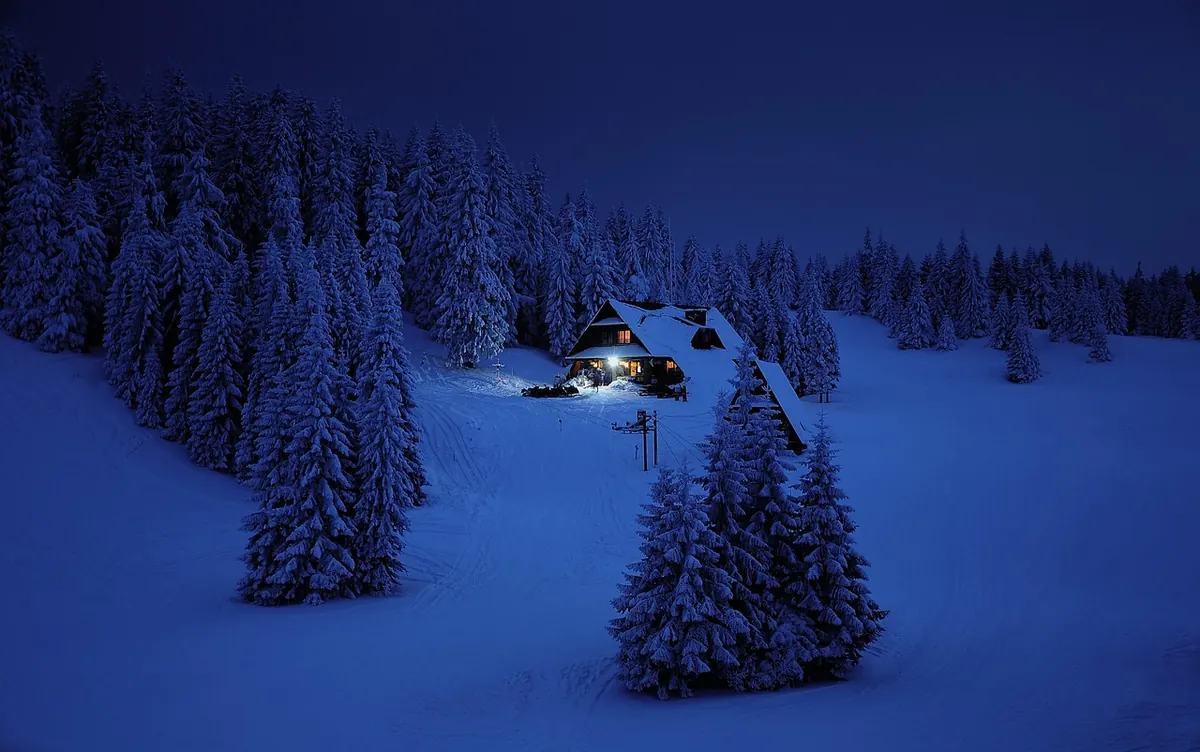
February, half past four in the afternoon, and the light is going. You are standing in a rented cottage on a Cornish lane with the keys in your hand and the heating timer blinking at you. The view from the window is exactly as advertised; the temperature inside is not. Winter breaks by the coast can be wonderful — empty beaches, lower rates, pubs with fires lit — but they are unforgiving of a badly chosen cottage. Get the heating, the location and the opening times right and the season works in your favour.
Start with the heating, not the view
Coastal cottages are often old, exposed and off the gas main, so heating varies wildly from one property to the next. It is the single biggest factor in whether a winter weekend feels like a treat or a test of endurance.
Ask what actually heats the place. Oil-fired central heating and gas boilers warm a cottage quickly. Night storage heaters, common in rural lets, release heat slowly and on a schedule you cannot change. Electric panel heaters are fine in a small cottage and expensive in a large one. A woodburning stove heats one room beautifully, given an hour's notice.
Then check the details that decide the difference:
- Is heating included, or metered? A meter reading on arrival is normal in some lets. Ask before you book, not after.
- Are logs or coal supplied? Many owners leave a starter basket and expect you to buy more locally.
- Is there a drying space? A boot room or covered porch matters more than you think when four waterproofs come back wet.
- How is the hot water? A small immersion tank runs out fast with four people showering.
- Is the cottage used year-round? Properties left empty from November to March can feel damp on arrival. Look for a dehumidifier.
Thick curtains, rugs and draught excluders are small signals of an owner who takes winter seriously. Photographs showing bare boards, thin curtains and one small radiator tell you plenty.
Location: village, cliff or genuinely remote
In summer, a cottage twenty minutes' walk from the pub is a bargain. In January, on an unlit lane, in the rain, with the path flooded at the bottom, it is a different proposition. Winter changes what walking distance means.
- In the village. Pub, shop and harbour within a few minutes on foot, and the car stays parked all weekend. The trade-off is less privacy, and some small harbours shut up entirely for the season.
- On the edge. Ten to twenty minutes to the nearest lights. Perfectly manageable with torches and boots, less so if anyone struggles with hills or you plan on a few drinks.
- Properly remote. Beautiful, cheap and entirely car-dependent. Every meal and every pint means a drive.
Consider exposure too. A cottage facing straight out to sea will take wind that a cottage tucked behind the harbour wall never feels. Ask which way the main rooms face, and whether there is anywhere sheltered to sit.
A sea view is worth paying for. A sea gale through an unheated conservatory is not.
Parking matters as much as position. Many coastal lanes are steep, narrow and single-track, and some cottages have nowhere to leave a car at the door. If you are arriving in the dark with a week's shopping, find that out in advance.
Check what is actually open
Off-season opening is where winter bookings go wrong. Websites stay online long after the kitchen has closed, and a pub that served food seven days a week in August may open only Thursday to Sunday in February.
Pubs, cafés and shops
Ring the pub rather than trusting the website or a review from last summer. Ask which days it opens, whether it serves food in the evening, and whether you need to book. In a small village, a phone call also tells you whether the place is still trading at all.
Ferries, paths and attractions
Seasonal ferries often stop for the winter, and coastal paths can be diverted after landslips and storm damage. Gardens, museums and boat trips frequently close from November until spring. If a particular walk or crossing is the reason for the trip, confirm it is running before you book the cottage.
The practical bits
Supermarket delivery is patchy in rural areas and slots vanish around half-term. Arriving with a full boot is simpler. Changeovers can be tighter out of season, when owners often do them personally and a key safe is the only option. Ask.
Questions worth asking before you pay a deposit
A short email will tell you more than an hour of scrolling through photographs. These are the ones that matter in winter:
- What type of heating is there, and is it included in the price?
- Is there a woodburning stove, and are logs supplied?
- How far is the nearest shop and pub that stay open in winter?
- Is the lane lit, and where exactly do we park?
- Is there somewhere to dry wet coats and boots?
- What is the mobile signal and broadband like?
- Are there any building works or road closures nearby?
- What happens if the weather closes the roads or cancels a ferry?
That last point deserves
Photo: JerzyGórecki / Pixabay